The Emoji Economy: How the Use and Frequency of Emojis in Your Chats Reflect Underlying Sentiments and Relationship Dynamics
 Mia Bennett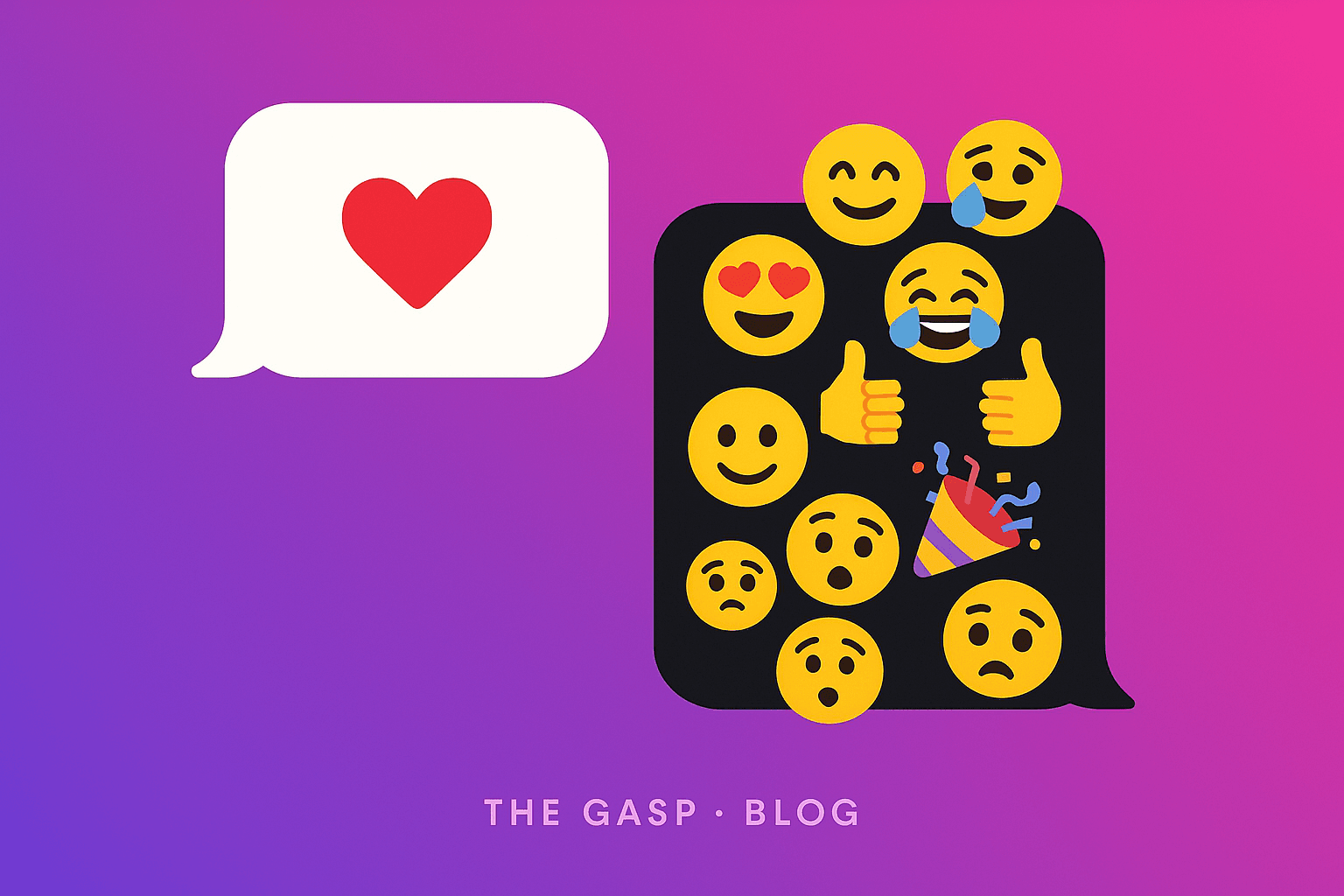
In today's digital age, communication is not just about words. Emojis have become a staple in our text messages, adding layers of meaning that words alone often fail to convey. This emoji economy: the nuanced exchange of emotions and sentiments via these small, expressive icons: can tell us more than we might expect about the dynamics of our relationships.
The Subtle Language of Emojis
Emojis are not just decorative embellishments. They serve as a bridge between the textual and the emotional. While a text saying "I'm fine" can be read in countless ways, add a smiling emoji, and it suddenly feels more reassuring. Emoji usage can reflect our underlying sentiments and intentions, shaping the tone of a conversation.
Consider the difference between a message punctuated with a heart emoji versus one with a rolling eyes emoji. The former might indicate affection or agreement, while the latter suggests annoyance or sarcasm. Emojis can soften criticism or amplify praise, depending on their placement and frequency.
Frequency Matters
The frequency with which we use emojis can also be telling. In the early stages of a relationship, increased emoji use might indicate enthusiasm and a desire to establish a connection. However, over time, a decline in their usage might suggest comfort or complacency, where words alone become sufficient to convey feelings.
Conversely, an abrupt surge in emoji use can signal a shift: a renewed effort to engage or perhaps even compensate for a lack of in-person interaction. It's crucial to look at the broader context of these changes: are they occurring alongside longer reply gaps, or do they coincide with a partner initiating more conversations? These patterns can reveal much about the evolving dynamics of a relationship.
Emojis and Relationship Dynamics
Emojis can reflect the power dynamics within a relationship. In some cases, one partner might predominantly use emojis to align with the other’s communication style, indicating a level of adaptation or even submission. On the other hand, a mutual and balanced use of emojis can suggest a healthy, egalitarian dynamic.
It's also important to consider who initiates emoji use. If one person consistently starts conversations with emojis, it might imply they are more invested in maintaining a lighthearted tone. Observing who mirrors this behavior can provide insights into mutual interest and emotional investment.
Not All Emojis Are Created Equal
While some emojis universally convey certain emotions, others are more ambiguous. A wink might be playful or flirtatious, depending on the context. Cultural differences and personal preferences also play a role in emoji interpretation. What might be seen as friendly in one context could be perceived as insincere in another. This makes understanding the emoji economy even more complex and intriguing.
Observing Patterns with The Gasp
Relying on memory to interpret these nuances is unreliable. Our recollections are often colored by our current emotions or biases. Instead, analyzing the actual data from our conversations offers a more objective view. This is where The Gasp comes into play. By importing your chat history, you can uncover patterns in emoji use, reply gaps, and conversation initiation that you might not have been consciously aware of.
By examining how often emojis are used, who initiates their use, and how they correlate with other conversational patterns, The Gasp allows you to gain a deeper understanding of your relationships. It's a tool that moves beyond gut feelings, providing insights based on the conversations themselves.
In conclusion, emojis are more than just colorful additions to our texts. They are a rich source of information about our emotions and relationship dynamics. To truly understand these hidden patterns, consider leveraging data-driven tools like The Gasp for a clearer, more objective perspective. Download The Gasp and start exploring the real patterns in your conversations today.