The Invisible Influence: How Punctuation Choices Shape Perception and Meaning in Your Chats
 Mia Bennett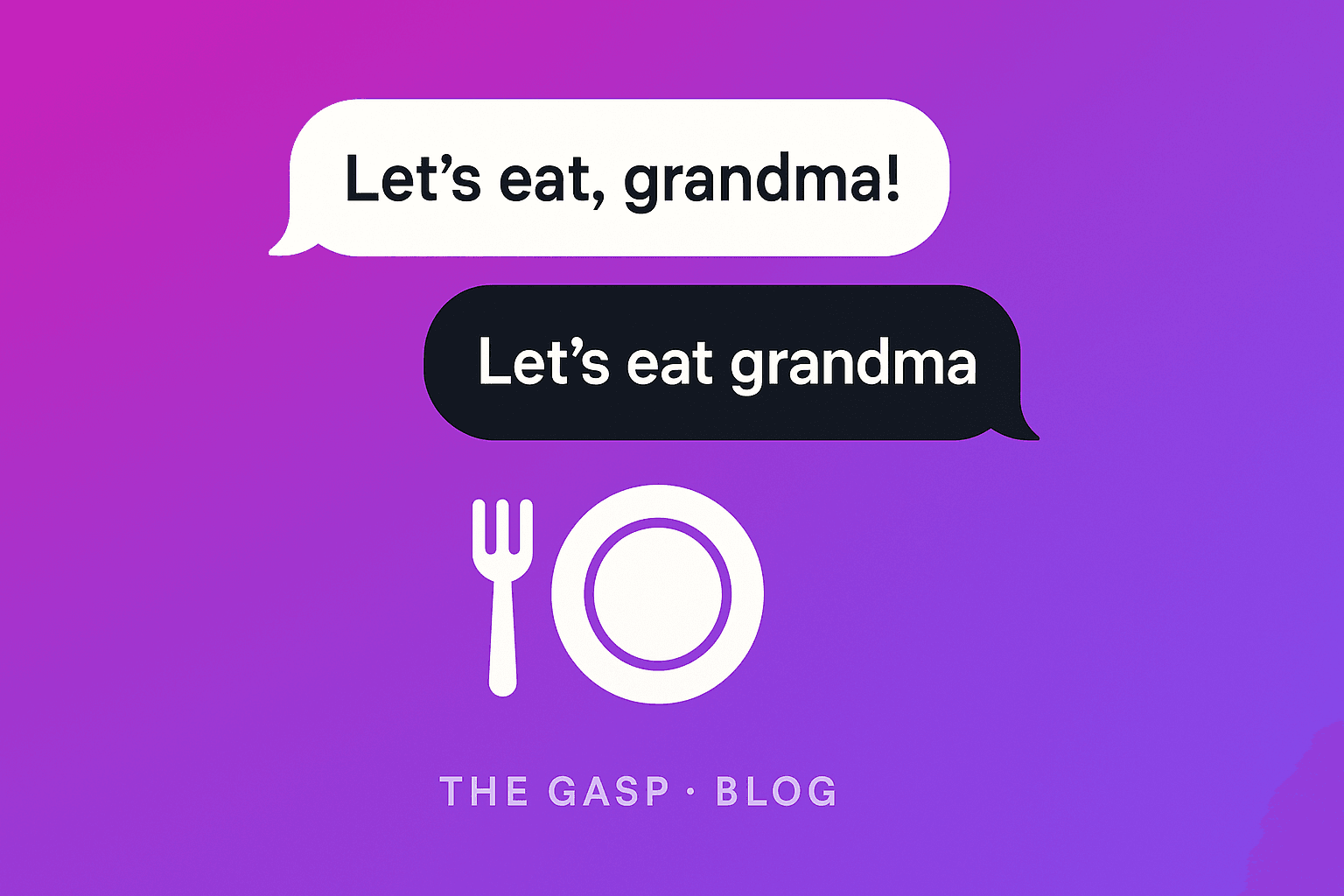
Text messages have become the cornerstone of our daily communication. While we often focus on the words themselves, we might overlook how punctuation choices subtly shape the tone and perception of our messages. In this piece, we'll explore the invisible influence of punctuation in text conversations and how it can alter the very fabric of our digital dialogues.
The Power of the Period
It's a staple of written language: the period. Yet, in the realm of texting, this humble dot can carry significant weight. A simple "Okay" can feel reassuring, but add a period, and suddenly, "Okay." might signal finality or even annoyance. The period imposes a sense of closure which can sometimes be perceived as cold or unfriendly, especially in casual chats where warmth and continuity are often conveyed through an absence of formal punctuation.
Exclamation Marks: Friendly or Overzealous?
Exclamation marks are the life of the party in text messages. They inject enthusiasm and emotion that plain words might lack. A "Thanks!" sounds more appreciative than a mere "Thanks." However, overuse can lead to diminishing returns, where every sentence ends with an exclamation, potentially overwhelming the reader or coming across as insincere. The balance is key: enough to convey excitement but not so much that it loses its impact.
The Comma Conundrum
Commas sit quietly in our texts, yet they play a crucial role in pacing and clarity. Consider the difference between "Let's eat, grandma" and "Let's eat grandma." While these examples are extreme, they highlight how commas can drastically change the meaning of a sentence. In text messaging, a well-placed comma can offer clarity, make statements more digestible, and slow down the pace to convey thoughtfulness or hesitation.
Question Marks and Uncertainty
In the world of texting, question marks are not just about asking questions. They can express uncertainty or invite further conversation. A simple "Are you coming" might read as a statement of expectation, while "Are you coming?" opens up a dialogue, inviting a response. The question mark transforms a statement into a conversation, signaling openness and engagement.
Ellipses: Suspense and Beyond
Ellipses are the wild card of punctuation. They can create a sense of suspense or imply that more is left unsaid. "I'll see you later…" can suggest anticipation, uncertainty, or a hint of something left to be discovered. However, overuse can also make messages seem hesitant or passive-aggressive, leaving the reader unsure of the intended tone.
Crafting Your Digital Tone
Understanding how punctuation impacts perception allows us to craft our digital tone more intentionally. Here are some tips:
- Be mindful of your audience: Different people perceive punctuation differently. Consider the context and the recipient's usual communication style.
- Balance formality and warmth: Adjust punctuation to match the tone you wish to convey, whether it's a formal conversation or a casual chat with a friend.
- Experiment and observe: Pay attention to how punctuation changes the reception of your messages. Use The Gasp to analyze patterns and refine your approach.
In conclusion, punctuation is more than just a structural tool in written language. In text messaging, it serves as a powerful influencer of tone and meaning. By becoming more aware of how these small marks affect our digital conversations, we can communicate more clearly and effectively.
For those who want to delve deeper into the patterns of their text conversations, Download The Gasp to uncover the hidden nuances in your chats. Whether it's reply gaps, who initiates, or tone shifts, The Gasp can help you see beyond memory and mood, offering a clearer picture of your digital interactions.