The Language of Laughter: How 'LOL' and Its Variants Reveal Comfort Levels and Social Bonding in Texts
 Mia Bennett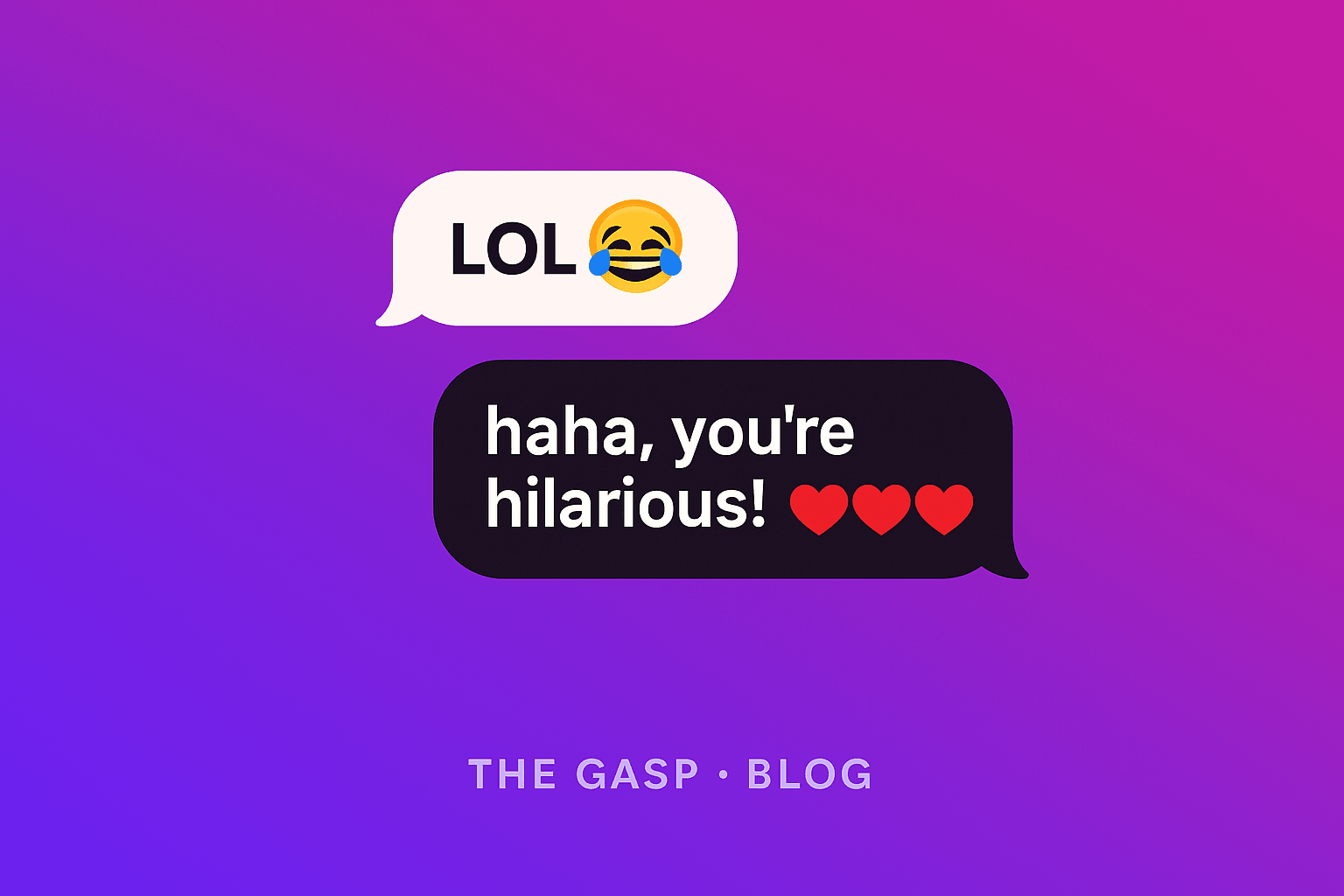
Text messaging has become a staple of modern communication, a space where laughter isn't heard but read. How we express laughter in text: whether through "LOL," "haha," or a simple smiley: can offer profound insights into our comfort levels and the strength of our social bonds. While these shorthand expressions might seem trivial, they hold significant weight in the dynamics of digital conversation.
The Evolution of Digital Laughter
The term "LOL" (laughing out loud) emerged as one of the earliest forms of digital laughter, a way to convey amusement in a medium that lacks vocal tone. Over time, it evolved into a versatile tool: a simple "LOL" can signify genuine amusement, soften a critique, or fill an awkward pause. Its variants, like "haha," "hehe," and even the quirky "ROFL" (rolling on the floor laughing), add layers of nuance to our messages.
Different expressions of laughter in text can signal varying levels of intimacy and comfort. For instance, "haha" might suggest a friendly chuckle, while "HAHA" in all caps could indicate uproarious laughter. Similarly, "lol" may not always mean something is funny; it can also be a conversational cushion, a digital nod that one is engaged and connected.
Comfort Levels and Laughter
The frequency and form of laughter in text can reflect how comfortable someone feels with their conversation partner. In initial interactions, people might use more formal laughter indicators like "haha" or "LOL" as they navigate the boundaries of familiarity. As comfort increases, the laughter may become more personalized: consider the playful "hehe" or the exaggerated "hahahahaha."
These subtle shifts often go unnoticed when remembering a conversation. However, when analyzing text messages with a tool like The Gasp, patterns emerge. You might find that the number of laughter variants increases as two people grow closer, or that a shift from "LOL" to "haha" coincides with a deepening friendship.
Social Bonding Through Laughter
Laughter, even in its textual form, can serve as a social glue. It fosters a sense of belonging and mutual understanding. When participants in a conversation mirror each other's laughter patterns, it can be a sign of social bonding. This mirroring might include using similar variants or matching the intensity of laughter.
Consider a group chat scenario where one person uses "LOL" frequently. If others begin to adopt the same style, it might indicate a collective bond, a subtle way of saying, "We're in this together." Conversely, if someone's laughter style stands out as markedly different, it might point to a lack of cohesion or comfort within the group.
Analyzing Text Conversations
While intuition might suggest certain conclusions about your text-based relationships, gut feelings often miss the intricate patterns at play. Actual data from text message conversations can provide a clearer picture. By analyzing reply gaps, laughter patterns, and tone shifts, you can gain insights that memory alone might obscure.
For example, you may notice that your use of "LOL" decreases as a conversation becomes more serious, or that you default to "haha" with close friends while sticking to "LOL" in professional contexts. These patterns can reveal how you subconsciously manage different relationships through digital communication.
The Role of Context
It's crucial to consider context when interpreting laughter in texts. A "LOL" in response to a joke is straightforward, but a "lol" at the end of a sentence might serve to soften the blow of a critique or to downplay an awkward situation. Recognizing these contextual cues is essential for understanding the underlying message.
When using The Gasp to analyze your conversations, watch for these contextual shifts. They can indicate moments when the tone changes, such as moving from formal to informal or from distant to close.
Conclusion
In the grand tapestry of digital communication, "LOL" and its variants are more than just fillers. They are markers of comfort and social bonding, revealing layers of interaction that often go unnoticed. By examining the patterns of digital laughter with a tool like The Gasp, you can uncover the true dynamics of your relationships.
For those curious to see the hidden patterns in their own conversations, Download The Gasp and start uncovering the nuances of your digital interactions.