The Message Mismatch: What Differences in Response Styles Reveal About Compatibility and Miscommunication
 Mia Bennett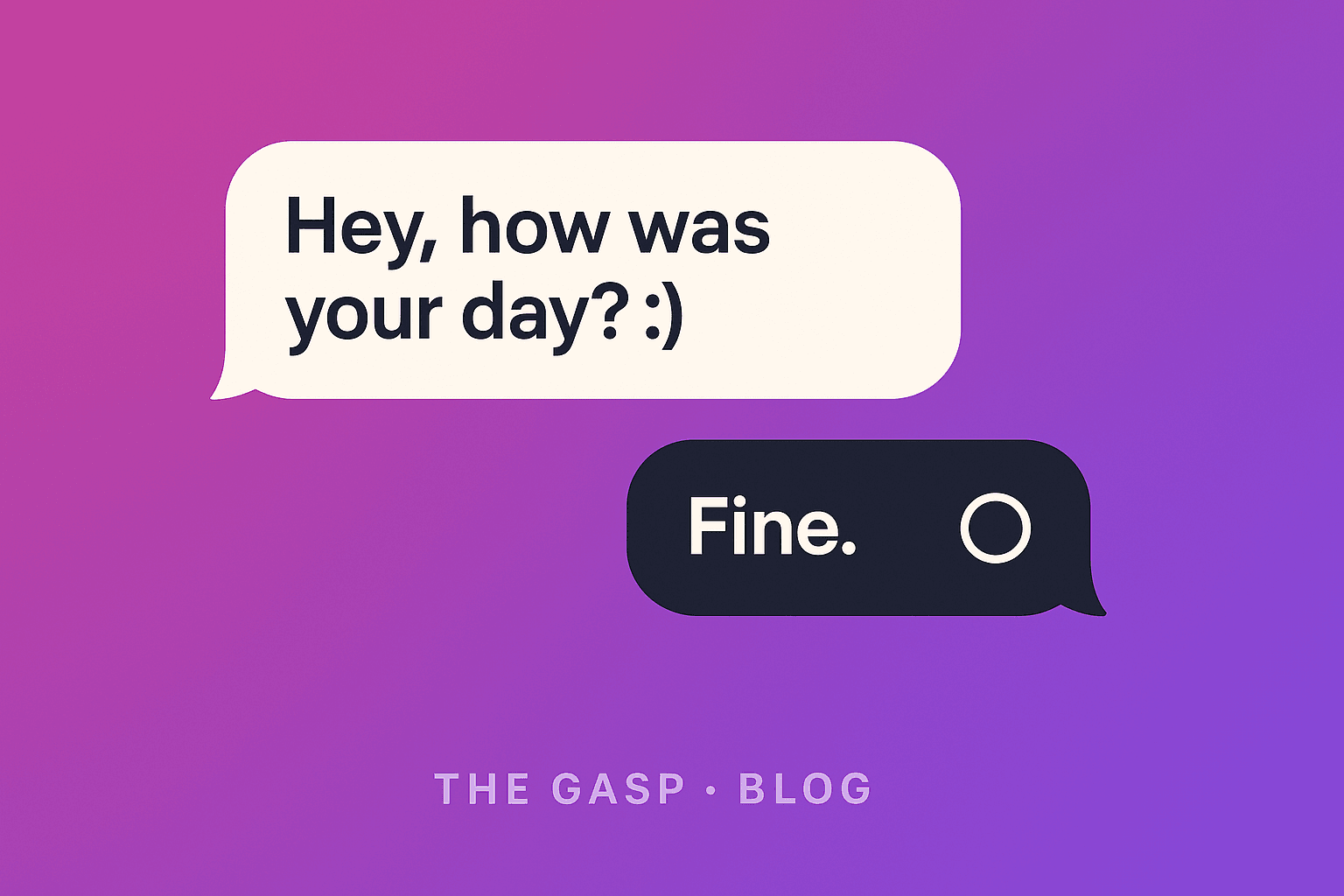
In the age of digital communication, text messages have become a dominant form of interaction. They are quick, convenient, and deceptively simple. Yet, beneath this simplicity lies a complex web of patterns and nuances that can reveal much about the compatibility and potential miscommunication between individuals. When we peel back the layers of our texting habits, we might find that they speak volumes about the dynamics of our relationships.
Understanding Response Styles
Response styles in text messaging can be categorized in several ways: speed of reply, tone, length, and initiation patterns. Each of these elements holds clues about the nature of the relationship. For instance, a consistently delayed response might suggest a lack of interest or a busy lifestyle, while quick replies could indicate eagerness or availability. However, these interpretations aren't always straightforward. A quick reply might also signal anxiety or a need for immediate affirmation.
Reply Gaps: The Silent Communicator
Reply gaps: or the time between receiving and sending a response: are a silent yet powerful communicator. A prolonged gap might induce anxiety or suggest disinterest, but it could also mean nothing more than a hectic day or a need for space. Conversely, immediate responses may create a false sense of security, leading one to believe in a level of engagement that doesn't exist outside the digital realm.
The key is not to overinterpret a single instance. Patterns are what matter. If one consistently takes hours to reply, it might indicate a different level of priority or engagement with the relationship. On the other hand, sporadic delays could be situational rather than indicative of a deeper issue.
Who Initiates More?
Initiating conversations can reveal who invests more effort or feels more compelled to maintain the connection. A balance in initiation might suggest mutual interest and compatibility. However, if one person frequently initiates, it might signal an imbalance, potentially leading to feelings of undervaluation or overexertion.
Consider the context: if one person is naturally more extroverted or communicative, they might simply enjoy starting conversations. This doesn't necessarily reflect on the other's interest level. The dynamic can shift over time, influenced by external factors such as stress or changes in routine.
Tone Shifts and Their Implications
The tone of messages can shift subtly and provide insight into emotional states or relationship dynamics. A sudden change from light-hearted banter to curt replies might indicate irritation, misunderstanding, or a shift in the relationship's dynamics. Conversely, an uptick in warmth and enthusiasm could suggest growing affection or comfort.
Tone can be challenging to interpret without visual or auditory cues. Emojis, punctuation, and word choice become critical in conveying emotions. Misinterpretations are common, leading to unnecessary conflicts or assumptions. Observing consistent tone patterns over time can help decode underlying emotional currents.
Patterns Over Gut Feelings
Relying on memory or gut feeling to interpret text message interactions can be misleading. Human memory is notoriously unreliable and often colored by our current emotions or biases. This is where objective analysis comes into play. By examining actual data: such as reply times, initiation frequency, and tone shifts: one can derive a clearer understanding of the relationship dynamics.
The Role of The Gasp
The Gasp offers a unique opportunity to step back from emotional biases and examine the real patterns in your text conversations. By importing your chat data, you can uncover the hidden dynamics that might be affecting your relationships. It's not just about confirming suspicions; it's about gaining insights that can help improve understanding and communication.
In conclusion, analyzing texting habits can reveal much about the underlying dynamics of relationships. Whether it's reply gaps, who initiates conversations, or shifts in tone, these patterns offer valuable insights into compatibility and potential miscommunication. By using tools like The Gasp, you can uncover these patterns and navigate your relationships with greater clarity and understanding.