The Politeness Paradox: How Courtesy Phrases in Texts Mask True Intentions and Power Dynamics
 Mia Bennett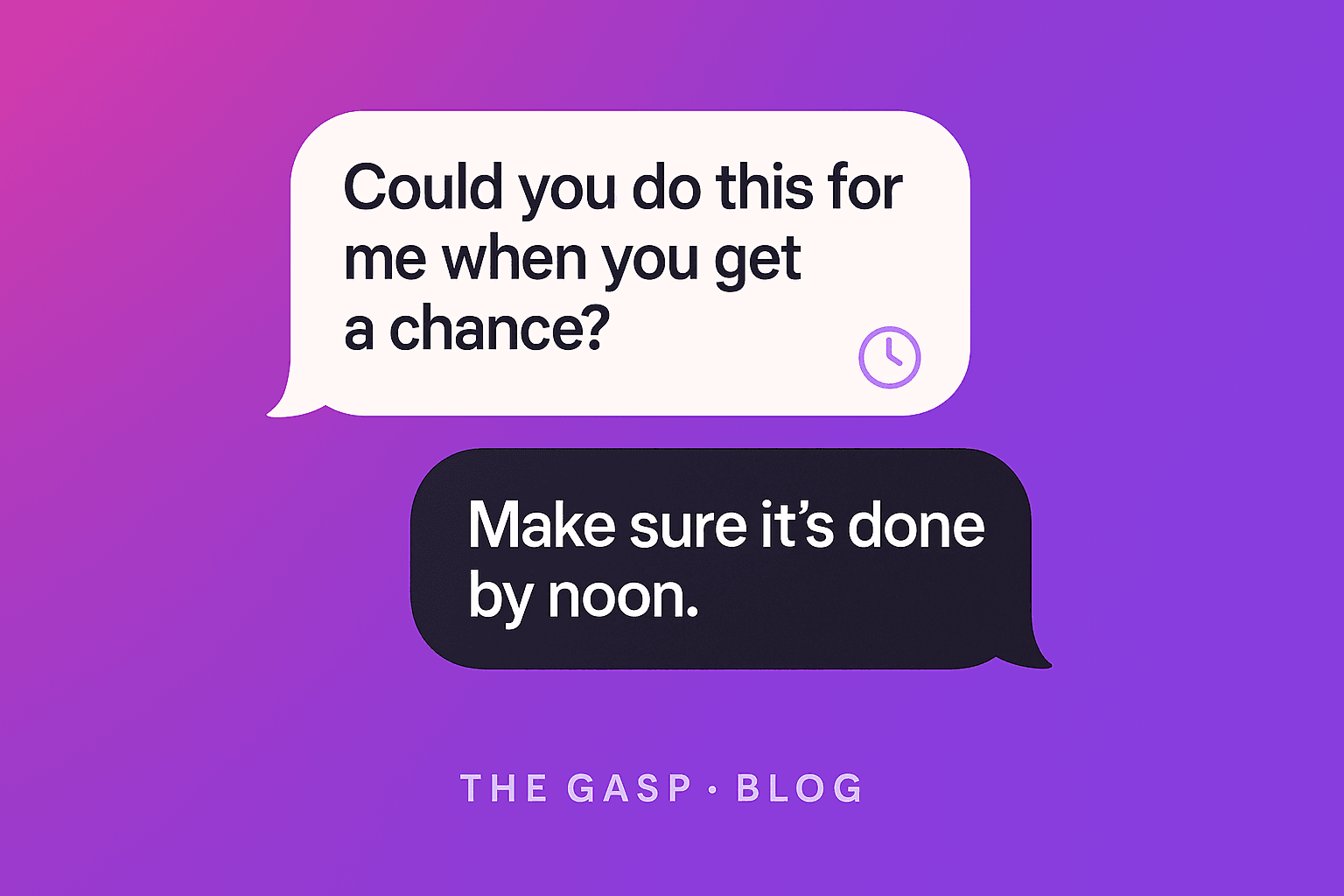
In the realm of digital communication, politeness has become a double-edged sword. While courtesy phrases such as "please," "thank you," and "sorry" are designed to facilitate smooth interactions, they can also obscure the true intentions and power dynamics in text-message conversations. In this post, we'll delve into how these politeness markers can be both a social lubricant and a mask that hides deeper, often unspoken, realities.
The Role of Politeness in Texts
Politeness in text messages serves a fundamental purpose: maintaining social harmony. With the absence of facial expressions and vocal cues, texts are ripe for misunderstandings. Thus, the inclusion of polite language becomes a vital tool for softening requests, acknowledging mistakes, or expressing gratitude.
However, this veneer of politeness can also be deceptive. It often obscures the power dynamics at play between the individuals involved. For instance, a manager who regularly uses "please" in requests to a subordinate might appear approachable. Yet, the frequency and context of such requests can reveal an implicit expectation for compliance. This is not to say that politeness is inherently manipulative, but rather that it can be layered with complexity.
Hidden Intentions: Reading Between the Lines
The use of courtesy phrases can sometimes mask true intentions. Consider the phrase "Just checking in." On the surface, this seems friendly and considerate. However, depending on the timing and context, it can carry undertones of impatience or dissatisfaction. The key to uncovering these hidden messages lies in analyzing patterns over time.
For example, a partner who frequently says "I'm sorry" might not always be apologizing sincerely. Instead, this could be a habitual response to defuse tension without addressing the underlying issue. The presence of politeness doesn't negate the importance of evaluating the sincerity and context of these messages.
Power Dynamics: Who Holds the Reins?
Text-message conversations can also reveal power dynamics, often masked by politeness. An individual who consistently initiates conversations might be perceived as the more dominant party. Conversely, someone who replies with polite, yet brief responses might be signaling disinterest or a desire to maintain emotional distance.
Moreover, the timing of replies can be telling. A subordinate who responds immediately to a superior might be demonstrating respect (or fear), while a delayed response from the superior can indicate their power to prioritize as they see fit. Analyzing these patterns can help uncover the true balance of power in a relationship.
The Bullet List of Politeness Markers
Let's break down how certain courtesy phrases can carry unspoken messages:
- "Please": Can denote genuine request or a softened command.
- "Thank you": May express true gratitude or habitual politeness.
- "Sorry": Could be a sincere apology or a way to avoid confrontation.
- "Just checking in": Might signal concern or imply impatience.
- "No problem": Often used to diminish the effort involved, sometimes masking resentment.
The Importance of Data over Memory
Human memory is notoriously unreliable, especially when it comes to recalling the nuances of past conversations. This is where data-driven analysis becomes invaluable. By examining patterns such as reply gaps, initiation frequency, and tone shifts, one can gain a clearer understanding of the dynamics at play. This approach allows individuals to see beyond the façade of politeness and assess the true nature of their communication.
In conclusion, while courtesy phrases in texts serve an essential role in maintaining social decorum, they can also obscure deeper intentions and power dynamics. By analyzing these patterns with tools like The Gasp, individuals can uncover the hidden narratives within their conversations. To see how your own text messages stack up, Download The Gasp and start unraveling the politeness paradox today.