The Read Receipt Reality: How Knowing They've Seen Your Message Changes the Conversation Dynamics
 Mia Bennett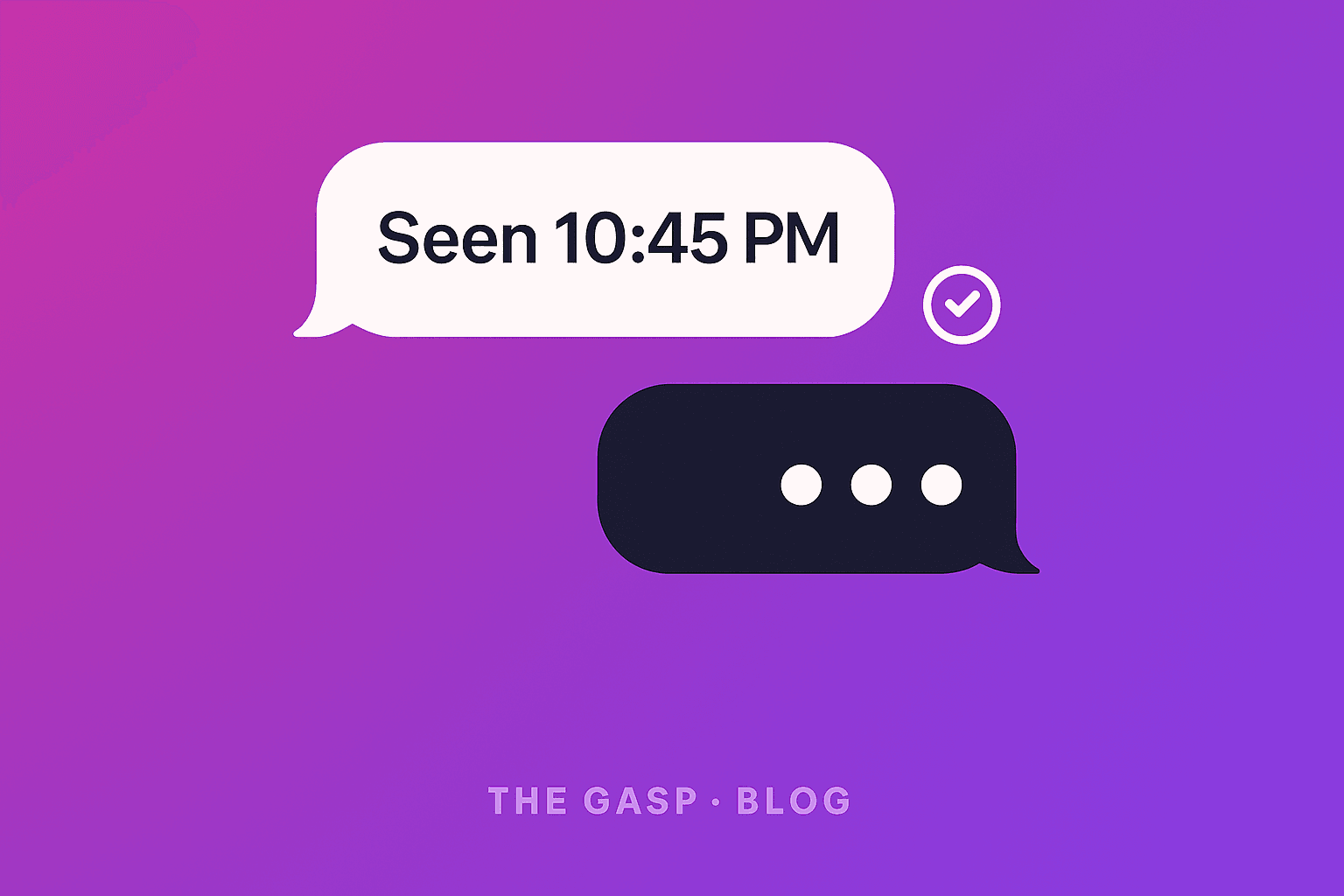
In the digital age, the way we communicate is perpetually evolving. One feature that has notably altered the landscape of text messaging is the read receipt. Once a simple exchange of words, text conversations now come with timestamps and the knowledge of when (or if) your message has been seen. This small but powerful indicator: the read receipt: injects a layer of complexity into our digital dialogues. It influences our behavior, alters our expectations, and sometimes, even dictates the course of our relationships.
The Psychological Impact of Read Receipts
Read receipts have become a modern-day barometer of attention and interest. They transform a message from a one-sided expression into a mutual acknowledgment. When you know your message has been read, the ball is in the recipient's court. This shift can create a sense of urgency or anxiety. Suddenly, you find yourself waiting, wondering why the response is delayed when you know your words have reached the other side.
The sense of immediacy that read receipts foster can lead to heightened emotions. When you see that your message has been read but not replied to, you might interpret it as disinterest or rejection, even if there are countless benign reasons for the delay. This can lead to a cycle of overthinking and misinterpretation, fueled by the visible but silent confirmation that your message has been acknowledged.
Conversation Dynamics: Initiation and Response
In conversations where read receipts are active, the dynamics of initiation and response can shift significantly. The person who sends a message is now more acutely aware of the power balance. Once a message is read, the sender's role is passive. All they can do is wait. This waiting period can often feel more intense than the conversation itself.
Key Observations:
- Senders might hesitate to send follow-up messages after a read receipt is triggered, fearing they might come across as impatient.
- Recipients might delay responses consciously or subconsciously, aware that the sender knows they have read the message and might be waiting.
- Conversations initiated by the sender can seem more one-sided if the recipient consistently reads but does not reply promptly.
The Role of Tone and Context
Read receipts can also influence the tone of a conversation. Knowing that a message has been read can lead to more careful crafting of follow-up messages. You might find yourself rereading your own words, analyzing them for unintended tones or implications. This can lead to a more guarded or overly formal tone, as you attempt to manage how your message is perceived.
Context plays a crucial role in how read receipts are interpreted. In professional settings, a read receipt might be seen as a courtesy: an acknowledgment of the received information. In personal conversations, however, it can carry heavier emotional weight. The context of the relationship dictates how much importance is placed on the immediacy of replies.
Breaking Down Memory Biases with The Gasp
Memory is fallible, often colored by current emotions or retrospective biases. This is where tools like The Gasp come into play. By analyzing text-message conversations, The Gasp helps identify patterns such as reply gaps, initiation tendencies, and tone shifts, free from the bias of memory. You might discover that your perception of a conversation's dynamics is skewed by your feelings at the time, rather than the actual data.
For example, you might feel like you're always the one initiating conversations, but a closer look at the data might reveal a more balanced interaction. Or perhaps you remember long gaps between replies that weren't as significant as they seemed. By examining the actual patterns and metrics, you gain a clearer understanding of your communication style and relationship dynamics.
In a world where read receipts influence our interactions, it's essential to ground our perceptions in data rather than assumptions. The Gasp provides the tools to do just that, offering insight into the real patterns behind our digital dialogues. Download The Gasp to explore the true dynamics of your conversations and break free from the constraints of memory biases.