The Typing Indicator Tension: What the Ellipsis Bubble Can Tell You About Conversational Anxiety and Anticipation
 Mia Bennett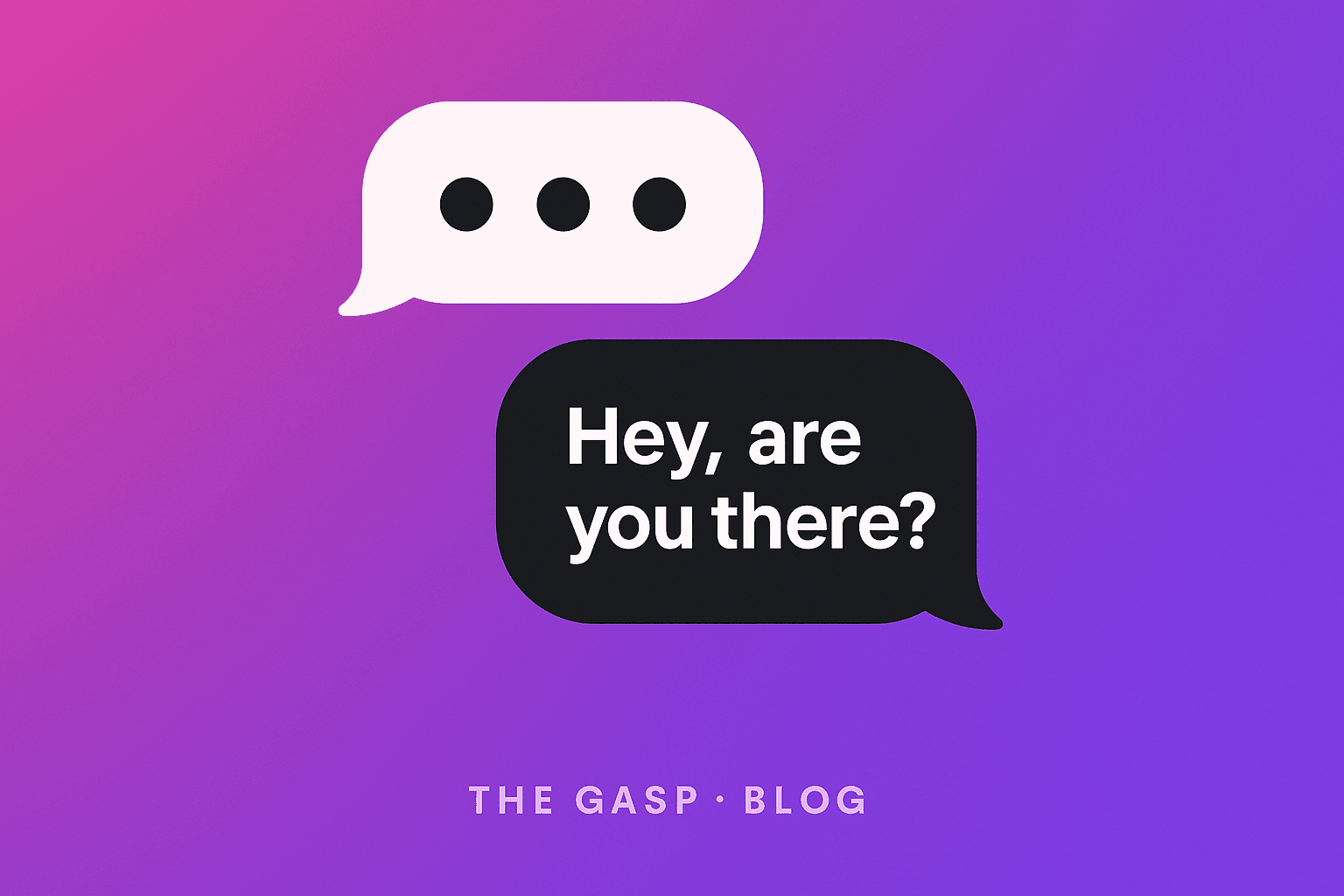
In the digital age, where much of our communication occurs through quick, bite-sized messages, the ellipsis bubble holds a unique power. This seemingly innocuous feature: those three little dots that appear when someone is typing: can evoke a surprising range of emotions. From anticipation to anxiety, the typing indicator is more than just a technical detail. It is a window into the dynamics of our digital conversations.
The Ellipsis Bubble: A Source of Anticipation
The ellipsis bubble often signals that a response is imminent. For many, this can be a moment of excitement. It means the other person is engaged and potentially crafting a meaningful reply. The anticipation here is akin to waiting for the next line in a conversation, with the bubble serving as a visual cue that keeps the dialogue alive.
In text-based communication, these moments are crucial. Unlike face-to-face interactions, where body language and tone provide context, text messages rely heavily on the words themselves. The ellipsis bubble is one of the few non-verbal signals we get, making it particularly potent.
Anxiety and the Dreaded Disappearance
However, the ellipsis bubble can also be a source of anxiety. Imagine seeing the bubble appear, only for it to vanish with no message following. This can lead to a spiral of questions: Did they change their mind? Are they reconsidering their words? Or worse, are they choosing not to respond at all?
This anxiety can be amplified when the conversation is important or emotionally charged. The act of waiting, watching the bubble appear and disappear, can be nerve-wracking. In such moments, the ellipsis bubble becomes a symbol of uncertainty, highlighting the gaps in communication that text messaging sometimes fails to bridge.
Patterns in Typing and Reply Gaps
By examining the patterns of typing indicators and reply gaps, we can glean insights into conversational dynamics. For instance, frequent appearances of the ellipsis bubble followed by long reply gaps might suggest indecision or careful consideration. Conversely, quick appearances with immediate messages might indicate a more spontaneous, confident communicator.
These patterns often reveal more than we might consciously realize. They can show us who tends to dominate the conversation, who is more thoughtful, and who might be more anxious. Analyzing these aspects can provide a clearer picture of the relationship dynamics, far beyond what our memory might suggest.
Conversational Power Dynamics
The ellipsis bubble can also hint at power dynamics within a conversation. If one person frequently waits while the other types, it might suggest a disparity in conversational control. The person typing might be dictating the pace, while the other remains in a passive state of anticipation or anxiety.
By using tools like The Gasp to analyze these interactions, one can uncover who typically initiates conversations, who takes longer to reply, and how the tone shifts throughout the dialogue. These insights can be invaluable for understanding how digital conversations mirror (or diverge from) real-life interactions.
The Importance of Data Over Memory
Our memories are often biased by our moods and emotions. In contrast, data offers an objective view, stripping away the emotional overlays that can cloud our judgment. By focusing on the evidence presented by the ellipsis bubble and other text patterns, we can form a more accurate understanding of our communication habits.
In a world where we increasingly rely on digital interactions, understanding these patterns is essential. It allows us to see beyond our subjective experiences and recognize the underlying truths of our relationships.
In conclusion, the ellipsis bubble is more than just a technical feature in messaging apps. It is a complex symbol of anticipation and anxiety, revealing intricate layers of our digital conversations. For those who wish to dive deeper into these patterns and understand their relationships better, Download The Gasp, and let the data guide you.