The Unsent Message: What Drafted and Deleted Texts Reveal About Hesitation and Unspoken Thoughts
 Mia Bennett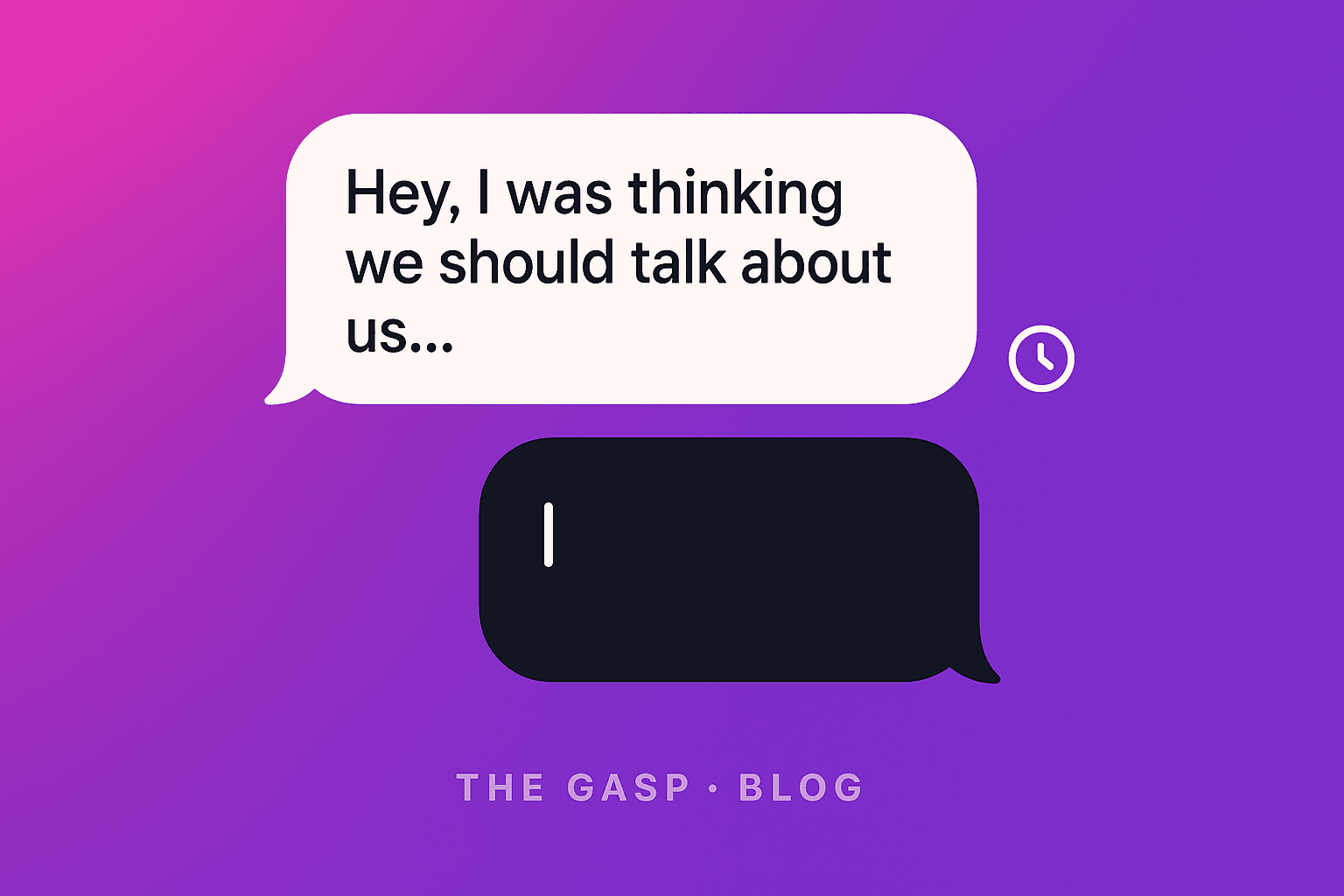
In the digital age, our conversations increasingly unfold through screens. Text messages serve as a primary mode of communication, allowing us to express thoughts with immediacy. But what about the messages that never leave the drafting stage? The ones we type out in earnest, only to delete or leave unsent? These instances offer a fascinating glimpse into our inner hesitations and the unspoken thoughts that accompany them.
The Anatomy of a Draft
Drafted texts are the epitome of potential energy in communication. They represent ideas, emotions, or responses that we consider sharing but ultimately withhold. The reasons for this hesitation can be manifold. Perhaps the timing feels off, the wording seems inadequate, or the potential consequences of the message are too daunting.
When we analyze these unsent messages, they tell us a lot about the dynamics of the conversation. For instance, if someone frequently drafts messages but seldom sends them, it may indicate a reluctance to engage fully or a fear of vulnerability. This person might be more cautious or unsure about their footing in the relationship.
Deleted Messages: A Sign of Second Thoughts
Messages that are typed out and then deleted before sending are another interesting phenomenon. Unlike drafts, which may simply be left unaltered, deleted messages suggest a change of heart. The sender initially intended to communicate something but reconsidered. This can signal a shift in tone or intent, reflecting the sender's internal debate.
If you often find yourself deleting messages, it could mean you are wrestling with the desire to express something while simultaneously fearing the repercussions. It could also indicate a level of self-censorship, where you're overly concerned with how the message will be perceived.
The Role of Context and Content
The context in which a message is drafted or deleted is crucial. For instance, a drafted text in response to a simple question might suggest indecision or uncertainty about the answer. In contrast, a deleted message in a heated conversation might indicate an attempt to de-escalate potential conflict or avoid saying something regrettable.
The content of drafted or deleted messages can also provide insight. Are they expressions of affection that go unsent, or are they confrontational remarks that remain unspoken? Each scenario sheds light on the sender's state of mind and the nature of the relationship.
Patterns of Initiation and Response
Beyond the individual instances of drafted and deleted messages, examining who initiates conversations and how often can reveal patterns of engagement. If one person frequently starts conversations or sends follow-up messages, it might indicate a disparity in investment or interest. Conversely, if both parties initiate equally, it could suggest a more balanced dynamic.
Tone and Its Impact
Tone is another critical element influenced by unsent messages. A drafted or deleted message might have carried a different tone from the one eventually sent. This can affect how the conversation unfolds. If a message was initially more assertive but softened upon sending, it might reflect an underlying desire to maintain harmony.
Consider these patterns:
- Frequent drafting: Indicates hesitation or overthinking.
- Regular deletion: Suggests second thoughts or fear of expression.
- Uneven initiation: Implies imbalance in engagement.
- Tone shifts: Reveal attempts to manage the conversation's emotional impact.
The Gasp: Unveiling Hidden Patterns
Unsent messages are just one layer of the intricate tapestry that is our text-based communication. Understanding these nuances can lead to deeper insights about our relationships and ourselves. By analyzing reply gaps, initiation patterns, and tone shifts, we can uncover truths obscured by our often unreliable memories and mood-biased perceptions.
The Gasp provides a unique opportunity to delve into these hidden patterns within your digital conversations. By importing chat exports from platforms like WhatsApp or iMessage, you can see the real dynamics at play. Download The Gasp to transform your understanding of the messages you send: and those you don't.